

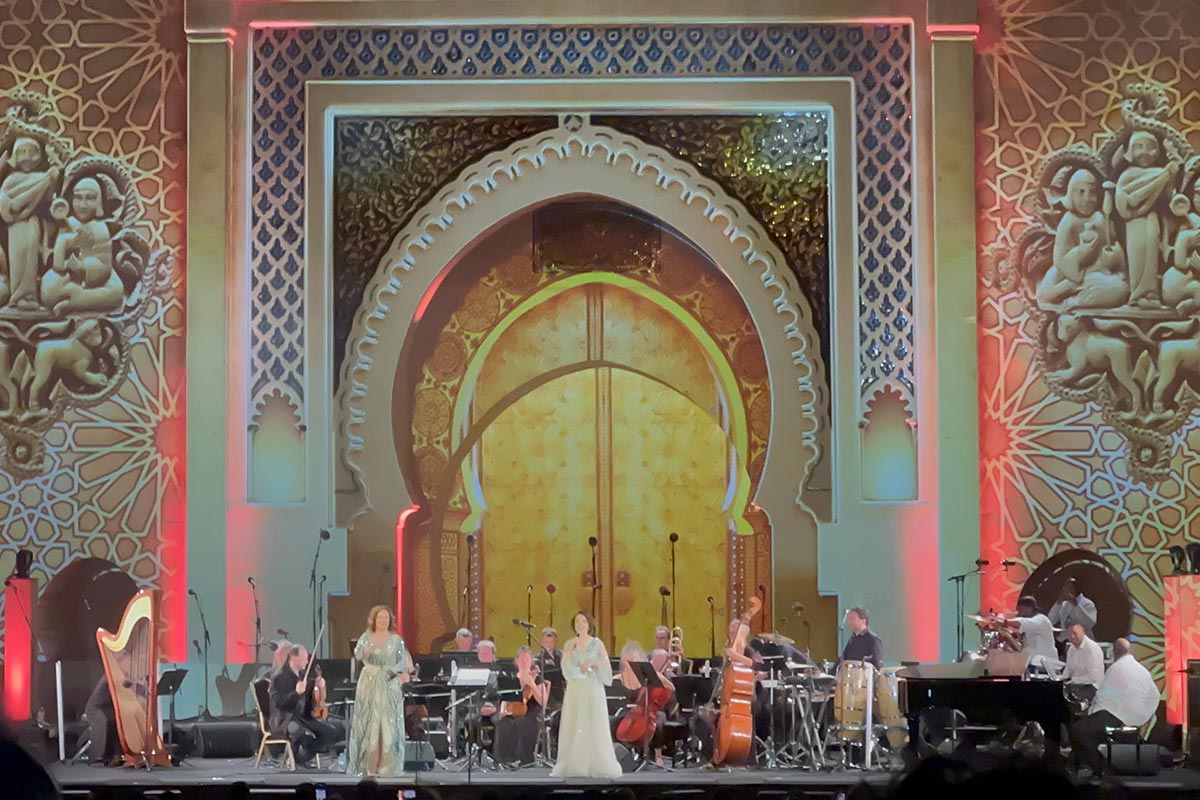
Few cultural events in Morocco stop you in your tracks quite like the Fes Festival of Sacred Music. Every year, as the sun drops behind the ancient medina walls, something extraordinary happens. Musicians from across the world gather in one of humanity’s oldest living cities, and for several nights, Fes becomes a place where spiritual traditions; separated by continents and centuries; share the same stage.
The 2026 edition is shaping up to be one of the most anticipated gatherings in the festival’s three-decade history. Whether you’re a first-time visitor or a returning devotee, this guide covers everything you need to plan your trip; from confirmed dates and key venues to accommodation, itineraries, and insider tips.
Planning to attend the festival? Explore our Fes travel experiences designed around major cultural events.
What Is the Fes Festival of Sacred Music?
The Fez Festival of World Sacred Music is an annual music festival held in Fez, Morocco. It was first held in 1994 and usually spans around 10 days in early June, bringing together concerts, debates, and joint performances of Muslim and Christian devotional music from artists all over the world.
The festival was established by Faouzi Skali, a philanthropist and the president of the Spirit of Fez Foundation, with the goal of promoting unity among individuals of all races and religions through spiritual and humanitarian values, inspired by Andalusian principles. Skali believed that music, being a universal language, has the power to communicate with people from all walks of life.
Over the years, the festival has showcased artists such as Patti Smith, Kadim Al-Sahir, Youssou N’Dour, Sami Yusuf, Salif Keita, Ravi Shankar, Miriam Makeba, Björk, and Joan Baez; a lineup that speaks to the festival’s remarkable global reach.
The festival defines sacred music broadly, extending beyond liturgical boundaries to include any music that has been treasured, valued, and preserved across generations. This inclusive approach means audiences experience everything from Sufi spiritual music and Gregorian chant to Indian classical ragas and flamenco; all unified by their capacity to connect performers and listeners to something transcendent.
This cultural framework explains why UNESCO later recognized the festival as an important platform for intercultural dialogue. The program extends beyond concerts and includes lectures, forums, and discussions where scholars and artists examine themes such as spirituality, environmental ethics, migration, and cultural identity. These exchanges transform the festival into a cultural forum rather than a simple performance series.
Fes Festival of Sacred Music 2026 Dates & Program
The 29th edition will take place from June 4th to 7th, 2026. The theme will be: “Fez and the Mâalemines, Guardians of Crafts Tradition and Heritage.”
This edition will celebrate the exceptional contribution of the Grand Masters known as “Mâalemines” to the construction of the iconic sites and works that mark the history of Fes and Morocco. Beyond their mastery and excellence, the festival will highlight their decisive role in transmitting ancestral know-how and their profound influence on the social and spiritual fabric of the city.
The 2026 program is set to include a range of performances spanning Sufi devotional music, world music, and intercultural fusions, all performed across Fes’s most storied venues. The full artist lineup is expected to be unveiled in the weeks before opening night, so staying tuned to the official festival website is the best way to keep up.
2026 Festival at a Glance
| Detail | Information |
|---|---|
| Festival Name | Fes Festival of World Sacred Music (29th Edition) |
| Dates | June 4–7, 2026 |
| Location | Fes, Morocco |
| Theme | “Fez and the Mâalemines, Guardians of Crafts Tradition and Heritage” |
| Main Venue | Bab Al Makina |
| Other Venues | Jnan Sbil Gardens, historic riads, medina cultural spaces |
| Music Styles | Sufi, world music, devotional, fusion |
| Ticket Type | Individual nights or full festival pass |
Secure your trip early to experience the festival at its best.
Why Attend the Festival in 2026
Some events are worth rearranging your calendar for. The Fes Festival of Sacred Music is one of them; and 2026 offers a particularly meaningful reason to go.
The theme of this year’s edition is rooted in craft, memory, and living heritage. The Mâalemines are the master craftsmen of Morocco; the builders, plasterers, woodcarvers, and tile-setters whose hands shaped the hammams, madrasas, and palaces that still stand in Fes today. Honoring them through music creates a rare convergence of artistic disciplines within a city that is itself a masterpiece.
The main concerts take place near the Royal Palace, in a large open space known as Bab Makina. At night, this place transforms completely. The lighting, the silence, the scale of the space; everything creates a powerful atmosphere. During the day, you will find performances in places like Jnan Sbil Gardens, where you can sit under trees and enjoy music in a calm and relaxed way.
Beyond the performances, attending the festival means spending time in a medina that has changed little since the 14th century. Cultural institutions organize exhibitions, artisan markets, and side events that complement the official program. As a result, travelers experience the city during one of its most dynamic cultural moments.
If you’ve ever wanted to hear Sufi chanting echo off 800-year-old stone walls, this is the moment.
Best Places to Experience the Festival
The festival doesn’t confine itself to a single location. It spreads across Fes like a living sound map, with each venue offering a different intimacy and energy.
Bab Al Makina is the beating heart of the festival. The main stage stands at Bab Makina, an expansive ceremonial square located beside the Royal Palace in the district of Fes el Jdid. Massive stone walls and monumental gates surround the square and create a dramatic setting for evening performances that often involve orchestras, choirs, and large ensembles. Concerts here usually begin around 9:00 pm and attract audiences of several thousand people. Because the square sits near the Royal Palace compound, security checks occur at the entrance — visitors should arrive at least thirty minutes before the scheduled start.
Jnan Sbil Gardens offers a softer counterpart. The gardens stretch between the districts of Fes el Bali and Fes el Jdid and date back to the eighteenth century. Afternoon concerts in this location focus on acoustic performances and traditional instruments. Visitors walk through shaded paths, fountains, and palm-lined alleys before reaching the concert area.
Medina cultural spaces and riads add a layer of intimacy that the large outdoor venues cannot replicate. Several intimate concerts also take place inside restored riads and cultural centers within the Fes medina. These settings allow audiences to hear traditional instruments and devotional chants inside historic Moroccan architecture decorated with carved cedar wood, zellige tilework, and interior courtyards.
The Ben Youssef Cultural Complex is one of the most challenging venues to find, but don’t give up on it; it’s well worth the effort once you know the way. A map from the kiosks in Batha Square makes navigation much easier.
Tips for Visiting During the Festival
A little preparation goes a long way when festival season hits Fes.
Book accommodation early. The Festival of World Sacred Music is peak season in Fez, so book accommodation well in advance. Traditional guesthouses in the central and western areas of the medina are convenient for concert venues.
Arrive before sunset. The energy in the medina builds throughout the late afternoon. An early arrival lets you eat, explore, and settle before the crowds descend on the main venues.
Dress in layers. The festival typically takes place when temperatures in Fes range between 25 and 32 degrees Celsius during the day. Evenings remain comfortable and suitable for outdoor concerts, but visitors should bring a light jacket for late-night performances.
Wear comfortable shoes. You’ll need to walk to all the venues; some are hard to find, so carry a map or use GPS. The medina’s cobbled lanes are beautiful but uneven.
Plan transport in advance. Bab Makina lies roughly two kilometers from the center of the Fes el Bali medina and about fifteen minutes by taxi from the Ville Nouvelle district. Petit taxis are easy to find but fill up quickly on festival nights.
Make the most of your stay with a private Fes Medina tour during the festival.
Where to Stay in Fes During the Festival
Choosing the right accommodation is part of experiencing the festival properly.
Inside the medina is the top recommendation for atmosphere. Staying inside the medina of Fes makes a big difference, especially during the festival. After a concert, you don’t want to deal with long transfers — you want to walk back through the quiet streets and keep that feeling with you a little longer.
Riads close to Bab Al Makina and Batha Square tend to sell out first. Options like Riad Fes – Relais & Châteaux blend traditional Moroccan architecture with luxury comforts, while more intimate guesthouses like Dar Seffarine offer an authentic stay at a gentler price point. Whichever you choose, book as early as possible, guesthouses convenient for festival venues are the first to sell out.
Ville Nouvelle is worth considering if medina riads are fully booked or if you prefer easier access to taxis and modern amenities. The trade-off is a slightly longer journey to the main venues each evening, but it remains a practical base for the festival.
How to Plan Your Trip Around the Festival
The festival runs from June 4–7, but Fes and its surroundings deserve more time than four days.
A suggested 3–5 day itinerary:
- Day 1: Arrive in Fes, settle into your riad, explore Batha Square and the nearby souks in the late afternoon, attend the opening night concert at Bab Al Makina.
- Day 2: Morning visit to Al Quaraouiyine University (one of the world’s oldest) and the Chouara Tanneries. Afternoon at leisure in Jnan Sbil Gardens. Evening concert.
- Day 3: Day trip to Volubilis, the Roman ruins near Meknes, or explore Meknes itself. Return to Fes for the evening program.
- Day 4: Wander the medina at your own pace, visit the Bou Inania Madrasa, and attend the final night of the festival.
- Day 5 (optional): Day trip to Chefchaouen, the blue-washed mountain town about two hours from Fes.
Looking for a complete Morocco itinerary? Discover our custom tours starting from Fes.
FAQ
When is the Fes Festival of Sacred Music 2026?
The 29th edition will take place from June 4th to 7th, 2026.
Where can I buy tickets for the festival?
Tickets are available through the official festival website. Options typically include a festival pass for access to all main concerts, individual evening concert tickets, an afternoon concert series, and a forum pass for lectures and workshops. Online booking usually opens one to two months before the festival begins.
Is the festival worth attending?
Absolutely. Attending the Fes Festival is not just about listening to music; it’s about feeling the spiritual pulse of Morocco. The combination of world-class artists, ancient venues, and the atmosphere of Fes at night makes it unlike any other event in the world.
What should I wear to the festival?
Comfortable, modest clothing works well for all venues. It’s best to dress in a simple and respectful way; you don’t need formal clothing, but something comfortable and appropriate for a cultural event is ideal. Evenings can be slightly cool, so bringing a light jacket is recommended.
How crowded is Fes during the festival?
The festival draws international visitors from across the globe, and the city does get noticeably busier. Book accommodation and tickets in advance, arrive early to main concerts, and build flexibility into your daily plans; especially around transport.
Ready to Go?
The Fes Festival of Sacred Music is not just an event on a calendar. It’s one of those experiences that stays with you; the kind that makes you rethink what music can do when it’s freed from borders and given the right stage. June 2026 is the moment to be in Fes.
Ready to experience Fes at its most vibrant? Plan your Morocco journey with our expert-guided tours and festival-ready itineraries.