

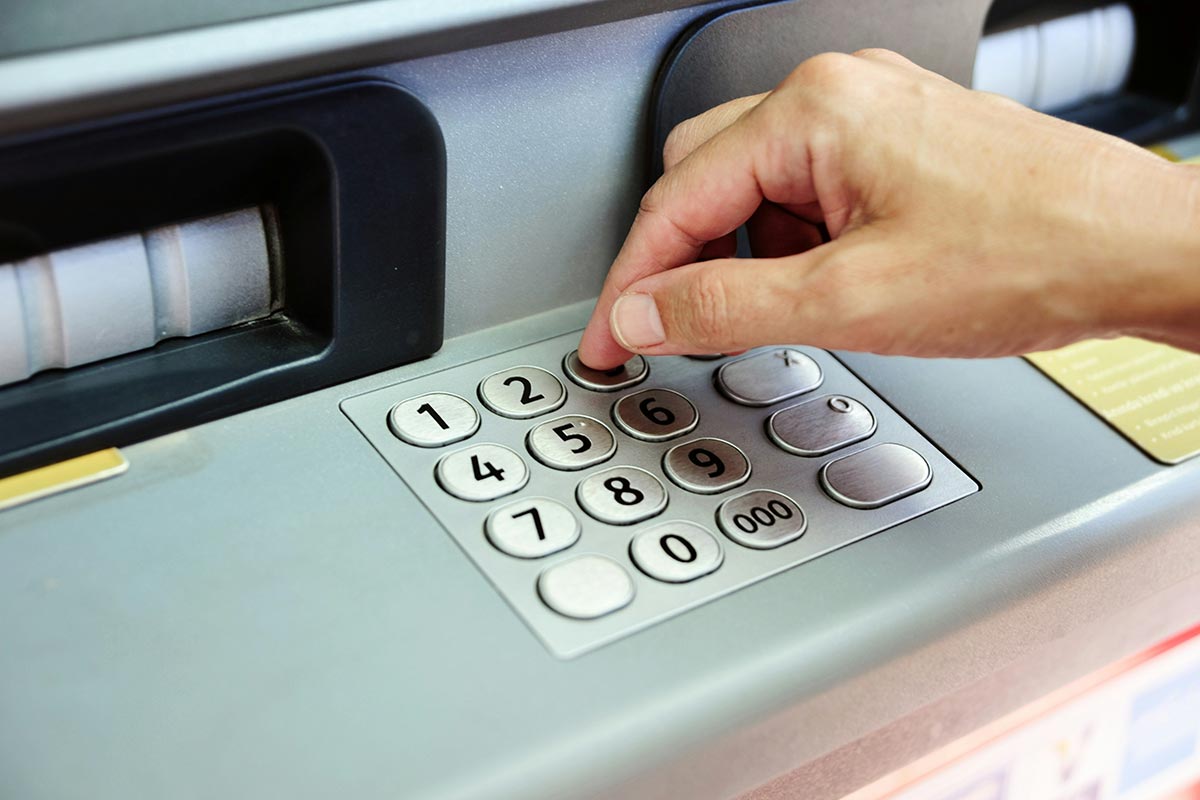
Morocco is a country that gets under your skin fast. The medinas, the mint tea, the colored spice stalls, the sound of the call to prayer rolling over the rooftops of Fes at dusk. But before any of that can happen, you need cash. Taxis do not take cards. Souk sellers do not take cards. Most small restaurants, hammams, and street food stalls run entirely on dirhams, and no amount of tapping your phone at the counter is going to change that.
The good news is that withdrawing money in Morocco is straightforward once you know what to expect. ATMs are widely available in cities like Marrakech, Casablanca, Rabat, and Fes, and most machines accept international Visa and Mastercard debit and credit cards. The key is knowing the fees involved, the limits you will hit, and the small habits that prevent your card from being blocked mid-trip.
Planning your Morocco trip? Check our travel guides and tours for a smooth, stress-free experience.
Are ATMs Easy to Find in Morocco?
Yes, and noticeably more so than even a decade ago. Morocco welcomed nearly 20 million visitors in 2025, and its banking infrastructure has expanded alongside that growth. In major cities, ATMs are clustered around bank branches, shopping streets, and airport arrivals halls. In Marrakech, you will find machines along Avenue Mohammed V and near the Jemaa el-Fna square. In Fes, the Ville Nouvelle district has the highest concentration. Casablanca and Rabat have ATMs on almost every commercial street.
In smaller towns and rural areas, availability drops considerably. If you are heading into the Atlas Mountains, the Draa Valley, or remote desert regions like Merzouga, withdraw enough cash in the nearest city before you go. Running out of dirhams in a small village with no ATM in sight is a fixable problem, but an annoying one.
A few practical notes on reliability. Moroccan ATMs occasionally run out of cash, particularly on weekends and around public holidays. It is not rare to find three machines in a row marked out of service. Always have a backup plan, and never wait until your wallet is completely empty before looking for an ATM.
Safety tip: Use ATMs that are physically attached to a bank branch. If a machine swallows your card, you can walk inside and recover it with your passport. With a standalone machine on a side street, recovery is far less certain.
ATM Fees in Morocco Explained
This is where travelers get caught off guard, so it is worth breaking it down clearly. When you withdraw money in Morocco with a foreign card, there are potentially three layers of fees at play.
1. The Moroccan bank’s ATM fee Most Moroccan banks charge a flat fee per withdrawal for foreign cardholders. This typically ranges from around 15 MAD to 30 MAD (roughly 1.50 to 3 USD) per transaction, though this varies by bank. Some banks have been known to waive this fee periodically. Al-Barid Bank, the government-owned postal bank, has been reported by multiple travelers to charge no local ATM fee for foreign cards, though this is subject to change and worth verifying at the machine before confirming your withdrawal.
2. Your home bank’s foreign transaction fee Your own bank likely charges a fee for using your card internationally. This is usually between 1.5% and 3% of the transaction amount, sometimes as a flat fee per withdrawal, sometimes as a percentage. Check your bank’s terms before you travel. Cards like Wise, Revolut, and Charles Schwab (for US travelers) are popular choices because they minimize or eliminate these home-bank fees.
3. Dynamic Currency Conversion (DCC) This is the sneaky one. At the point of withdrawal, some ATMs will ask whether you want to be charged in your home currency (euros, dollars, pounds) rather than Moroccan dirhams. This sounds convenient, but the exchange rate offered is almost always significantly worse than the standard interbank rate. Always choose to pay in Moroccan dirhams (MAD). Let your own bank handle the currency conversion.
Daily Withdrawal Limits
Moroccan ATMs typically allow a maximum of 2,000 MAD per transaction, which is roughly 200 USD or 185 EUR depending on the current rate. Most machines also cap the number of transactions per day, though the specific daily limit varies by bank.
Here is a comparison of what you can generally expect from the main Moroccan banks:
| Bank | Approx. Limit per Transaction | Notes |
|---|---|---|
| Attijariwafa Bank | 2,000 MAD | Widest ATM network in Morocco |
| BMCE Bank (Bank of Africa) | 2,000 MAD | Common in cities and airports |
| CIH Bank | 2,000 MAD | Strong presence in tourist areas |
| Banque Populaire | 2,000 MAD | Government-affiliated, widely available |
| Al-Barid Bank | 2,000 MAD | Reported fee-free for some foreign cards |
If you need a larger amount of cash, the practical solution is to make multiple withdrawals across different machines or at different times of day. Some travelers also split withdrawals across two different cards to stay within daily limits set by their home banks.
Keep in mind that your home bank may impose its own daily international withdrawal cap, which could be lower than what the Moroccan ATM allows. Check this in advance so you are not surprised.
How to Avoid Card Blocks Abroad
Few things are more stressful than a blocked card when you are standing at a market stall in Marrakech trying to pay for dinner. Banks flag unusual foreign activity as a security measure, and Morocco is a common trigger for these alerts if your bank has not been notified of your travel plans.
Notify your bank before you leave. Most banks allow you to set a travel notice through their app, online banking portal, or by calling customer service. Specify your destination and the dates you will be traveling. This single step eliminates the majority of unexpected card blocks.
Enable international transactions. Some banks and card issuers require you to actively switch on international usage, particularly for debit cards. Check your app settings before departure.
Use ATMs attached to banks. Independent, standalone ATMs in shopping centers or airports are more likely to trigger fraud alerts and sometimes charge higher fees. Bank-branded ATMs are more reliable and typically more trusted by your card’s security systems.
Carry a backup card. This is non-negotiable advice for any international trip. Keep a second card in a different location from your primary wallet. If one card is blocked or lost, you have a fallback. Many experienced Morocco travelers carry a Wise or Revolut card specifically as a travel backup alongside their main bank card.
Monitor your transactions. Turn on real-time notifications for your card so you can catch any unauthorized charges immediately. Most banking apps now offer this as a standard feature.
Travel confidently with local support. Discover our guided tours across Morocco for a hassle-free journey.
Tips for Using ATMs Safely
Morocco is a generally safe country for travelers, and ATM crime is not rampant. But basic awareness goes a long way.
Use ATMs during daylight hours or inside bank branches when possible. Nighttime withdrawals at isolated machines carry a higher risk in any country, and Morocco is no exception. If you must withdraw cash after dark, choose a machine inside a hotel lobby, a shopping mall, or a well-lit bank branch.
Cover your PIN entry. This is standard practice globally and particularly worth maintaining when there are people around in busy medina streets.
Avoid standalone machines in quiet areas. The machines most commonly associated with card skimming are those off the main streets with no bank affiliation. If something about the machine looks tampered with, like a loose card slot or an unusual attachment over the keypad, do not use it.
Keep your receipts until you have verified your bank statement. Reconciling your transactions at the end of each day takes two minutes and can catch discrepancies before they become bigger problems.
Cash vs Card in Morocco
Morocco remains a predominantly cash economy, even as the country pushes toward greater digital payment adoption. According to Bank Al-Maghrib data, more than 60% of card operations in 2024 were ATM withdrawals, which tells you everything you need to know about how most people actually use money here.
Where cash is essential: traditional markets and souks, taxis (petit and grand), street food stalls, small cafes, hammams, tipping guides and hotel staff, and most shops in the medina.
Where cards are more likely to work: four and five-star hotels, upscale riads, larger restaurants in the Ville Nouvelle, airport shops, and some organized tour operators.
Even in places that display a Visa or Mastercard logo, card payment is not guaranteed. Machines break, owners prefer cash to avoid fees, and connectivity issues are common. Always carry enough dirhams for the day’s expected spending plus a buffer.
A reasonable daily cash budget for a mid-range traveler in Morocco is between 300 and 600 MAD (30 to 60 USD), covering meals, transport, entry fees, and incidentals. In medinas and markets, you will also want smaller notes for tipping and bargaining. ATMs dispense 100 and 200 MAD notes, which can sometimes be difficult to break at small vendors, so ask for change proactively when you have the opportunity.
Frequently Asked Questions
Can I use my foreign card in Morocco ATMs?
Yes. Most Moroccan ATMs accept Visa and Mastercard debit and credit cards issued in Europe, North America, and elsewhere. American Express is less widely accepted. Make sure your card is enabled for international use before you travel.
What is the best ATM to use in Morocco?
Attijariwafa Bank has the largest ATM network in the country, making it the most reliably available. Al-Barid Bank (the postal bank) has been reported by travelers to charge no local withdrawal fee for some foreign cards, though this varies. Stick to bank-affiliated ATMs rather than standalone machines.
How much cash should I carry in Morocco?
For a typical day of sightseeing, eating, and local transport, budget between 300 and 600 MAD per person. If you are shopping in the souks or joining a day tour, carry more. Always withdraw enough to cover a day or two in advance, especially if you are heading outside major cities.
Are ATM fees high in Morocco?
They are manageable but worth factoring in. Local bank fees are typically 15 to 30 MAD per withdrawal. Your home bank may add its own fee on top. Using a travel card like Wise or Revolut can significantly reduce what you pay overall, especially on a longer trip where you are making multiple withdrawals.
What should I do if my card is blocked?
Contact your bank immediately using the international number on the back of your card or through their app. Explain that you are traveling in Morocco and ask them to lift the block. This is usually resolved within minutes. In the meantime, use a backup card if you have one, or pay with any cash you have on hand.
Final Thoughts
Accessing cash in Morocco is not complicated once you understand how the system works. ATMs are widespread in cities, most international cards are accepted, and a little preparation before you leave home eliminates the most common problems travelers face. Notify your bank, carry a backup card, always choose to pay in dirhams, and withdraw enough to cover time in areas where ATMs are scarce.
Morocco rewards travelers who arrive prepared. The medinas, the mountains, and the desert are all waiting, and none of them require a card reader.
Ready to explore Morocco without stress? Plan your trip with our expert-designed tours and local guidance for a seamless experience.